Elija su idioma


Categorías
Cards TCG – Juegos
 CARD: Nº AGM1709 · WEEZING (T. ROCKET) · [10 PRISTINE] · 2025 POKEMON DESTINED RIVALS #199/182 · RARE ART HOLO · SPANISH
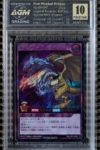 CARD: Nº AGM1313 · YU-GI-OH! · FIVE HEADED DRAGON [10 PRISTINE] · 2023 · LEGEND AWAKEN · #JP001 · JAPANESE
 CARD: Nº AGM1843 · MEGA GENGAR EX · POKÉMON · 2025 · PHANTASMAL FLAMES · [9 MINT] · 055/094 · DOUBLE RARE – SPANIS…
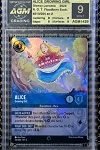 CARD: Nº AGM1429 · ALICE GROWING GIRL · DISNEY LORCANA [9 MINT] · R. O. T. FLOODBORN ENCH. · ENGLISH
 CARD: Nº AGM1112 · CHARIZARD · POKEMON · BASE SET 1996 #004 · [8 NM-MINT] · RARE HOLO · JAPANESE
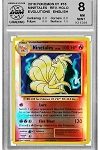 CARD: Nº K11344 · 2016 POKEMON XY · NINETALES [8 NM-MINT] · REVERSE HOLO · EVOLUTIONS · #15 · ENGLISH
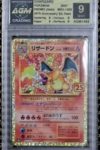 CARD: Nº AGM1463 · CHARIZARD · [9 MINT] · POKEMON PROMO (HOLO) 2021 #001/025 · 25th ANNIVERSARY EDIT. PACK · JAPANESE
 CARD: Nº AGM1111 · VENUSAUR · POKEMON · BASE SET 1996 #003 · [8 NM-MINT] · RARE HOLO · JAPANESE
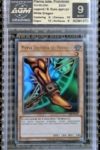 CARD: Nº AGM1379 · YU-GI-OH! · PIERNA IZDA. PROHIBIDO [9 MINT] · 2023 · LEGEND B. EYES · #SP121 · SPANISH
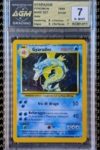 CARD: Nº AGM1411 · GYARADOS · POKEMON [7 N. MINT] · 1999 BASE SET · 6/102 · ITALIAN
 CARD: Nº AGM1831 · RADIANT GRENINJA · POKÉMON · 2022 · ASTRAL RADIANCE · [7.5 N. MINT+] · 046/189 ULTRA RARE – SP…
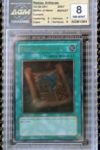 CARD: Nº AGM1384 · YU-GI-OH! · REGLAS ANTIGUAS [8 NM-MINT] · 2007 · STRIKE OF NEOS · #SP037 · SPANISH
Vintage Cards
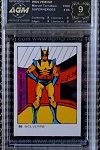 CARD: Nº AGM1350 · WOLVERINE [9 MINT] · MARVEL TERRABUSI · 1980 · SUPERHEROES · SPANISH
 CARD: Nº AGM1784 · L. SUAREZ · CORUÑA · 1953-54 · BRUGUERA #95 · ASES FÚTBOL · TURMO CARAMELOS PECTORALES · [6 EXC NM] ·…
 CARD: Nº AGM1684 · WOLVERINE [9 MINT] · MARVEL TERRABUSI · 1980 · SUPERHEROES · SPANISH
 CARD: Nº AGM1852 · SEGARRA · FC BARCELONA · 1953-54 · BRUGUERA #53 · ASES FÚTBOL · TURMO CARAMELOS PECTORALES · [5.5 EXC…
 CARD: Nº AGM1790 · OLIVA · REAL MADRID · 1953-54 · BRUGUERA #148 · ASES FÚTBOL · TURMO CARAMELOS PECTORALES · [6.5 EXC N…
 CARD: Nº AGM1856 · BASORA · FC BARCELONA · 1953-54 · BRUGUERA #57 · ASES FÚTBOL · TURMO CARAMELOS PECTORALES · [6 EXC NM…
- CARD: Nº AGM1351 · WOLVERINE [9 MINT] · MARVEL TERRABUSI · 1980 · SUPERHEROES · SPANISH
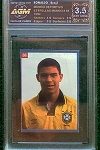 CARD: Nº K11164 · RONALDO NAZARIO [3.5 VERY GOOD+] · M. DEPORTIVO 1994 #88 (ESTRELLAS MUNDO) · FC BARCELONA · SPANISH
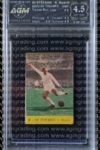 CARD: Nº AGM1300 · DI STEFANO [4.5 VG – EXCELLENT+] · 1960 · R. MADRID · EXCL. TRIUNFO · TORNEO NAC. LIGA #9 · SPA…
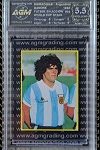 CARD: Nº AGM1329 · DIEGO A. MARADONA [5.5 EXCELLENT+] · 1982 #94 · MUNDIAL ESPAÑA · FÚTBOL EN ACCION DANONE · SPANISH
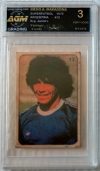 CARD: Nº K11374 · DIEGO A. MARADONA [3 VG] · SUPERFUTBOL 1979 #12 · ARGENTINOS JRS. · SPANISH
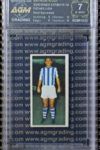 CARD: Nº AGM1532 · SATRUSTEGUI · REAL SOCIEDAD · [7 N. MINT] · EDICIONES ESTE LIGA · 1975-79 · SPANISH

Why Randomness Matters
Look: the moment you click “Spin” or “Deal” you’re handing control to a piece of code that decides whether you win a free spin, a gift card, or just another loss. No magic, just math. The problem? Players assume the outcome is somehow “fair” because they can’t see the numbers. That’s where RNGs step in, pulling the curtains back and showing the dice are truly rolling.
How RNGs Work in a Sweepstake
Here’s the deal: a Random Number Generator spits out a sequence of digits. Those digits aren’t “random” in the philosophical sense; they’re pseudo‑random, generated by an algorithm that’s been stress‑tested by auditors. Every spin, every card draw, every instant win is mapped to a spot in that endless stream.
And here is why it matters. In a sweepstakes casino, the RNG isn’t just a behind‑the‑scenes convenience; it’s the legal backbone. Regulators demand that the generator be certified by third‑party labs—think eCOGRA or iTech Labs. If the code can be reverse‑engineered or manipulated, the whole operation collapses, and the brand disappears faster than a jackpot hype.
Trust Signals and Player Perception
Players are skeptical by nature. They’ve seen “rigged” slot machines in movies, they’ve heard rumors about “tuned” odds. The answer? Transparency. Websites publish RNG audit certificates, live test results, even the seed value used on a given day. A quick glance at onlinesweepscasinosus.com reveals a badge that says “RNG Certified.” That badge is a visual oath: “We’re not cheating you.”
Speed matters too. A good RNG delivers numbers in microseconds, keeping latency low so the player feels the rush. If the RNG lags, the experience stutters, and the player’s trust erodes faster than a casino’s payout table after a big win.
Common Misconceptions
First myth: “I can beat the RNG with a strategy.” Wrong. The RNG’s output is statistically independent; past spins have zero influence on the next one. Second myth: “All RNGs are the same.” Nope. Some generators use Mersenne Twister, others use cryptographic hash functions. The strength of the algorithm determines how exploitable the system is.
Third myth: “RNGs only apply to slots.” Wrong again. Card games, dice games, even “scratch‑off” tickets rely on the same engine. The difference lies in how the raw numbers are translated into game‑specific outcomes.
The Bottom Line for Operators
Don’t treat RNGs as a checkbox. Integrate them tightly with your compliance pipeline. Run daily integrity checks, rotate seeds, and publicize the audit logs. When a player sees that the randomness behind a free spin is verifiable, the trust factor spikes, and so does the time they spend on the site.
Actionable advice: audit your RNG today, publish the results, and watch engagement climb.
Mi Cuenta




Le recomendamos

¿Cards con Errores?

Cards Deportes
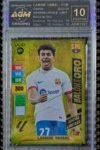 CARD: Nº AGM1557 · LAMINE YAMAL · FC BARCELONA · [10 PRISTINE] · BALÓN DE ORO E.L. · ADRENALYN XL · 2023-24 · SPANISH
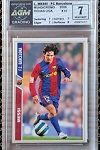 CARD: Nº AGM1317 · LEO MESSI · FC BARCELONA · [7 NEAR MINT] · FICHAS LIGA #47 · MUNDICROMO 2008 · SPANISH
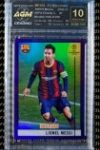 CARD: Nº AGM1599 · MESSI · FC BARCELONA · [10 PRISTINE] · TOPPS MERLIN · 2020-21 · UCL #1 · 58 OF 299 · ENGLISH
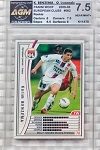 CARD: Nº K11378 · KARIM BENZEMA [7.5 NM+] · WCCF EUROPEAN CLUBS 2005-06 #092 · ROOKIE · O. LYON · JAPANESE
 CARD: Nº AGM1817 · LAMINE YAMAL· FC BARCELONA · TOPS UEFA 2026 #002 THE LEGACY LIVES ON · [10 PRISTINE] · ENGLISH
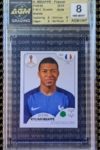 CARD: Nº AGM1397 · K. MBAPPÉ · FRANCE [8 NM-MINT] · FWC RUSSIA 2018 · #209 (ROOKIE) · ENGLISH
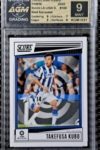 CARD: Nº AGM1531 · TAKEFUSA KUBO · REAL SOCIEDAD · [9 MINT] · SCORE LA LIGA S. · 2022 · #160 · SPANISH
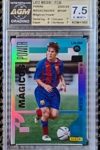 CARD: Nº AGM1360 · LEO MESSI · FCB · [7.5 N. MINT+] · MGK · 2023-24 · #P439 · SPANISH
 CARD: Nº AGM1431 · ANTHONY EDWARDS · TIMBERWOLVES [10 PRISTINE] · PANINI CHRONICLES 2020-21 · #203 · ROOKIE · ENGLISH
 CARD: Nº AGM1694 · LAMINE YAMAL FCB [10 PRISTINE] · TOPPS MERLIN · 2023-24 · UEFA CHAMPIONS LEAGUE ROOKIE #27 · ENGLISH
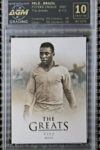 CARD: Nº K11276 · PELÉ [10 PRISTINE] · BRAZIL · THE GREATS · FUTERA UNIQUE 2021 #112 · ENGLISH
Cards Autógrafos
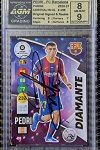 CARD: Nº AGM1428 · PEDRI · FC BARCELONA [8 NM-MINT / 9 ORIGINAL SIGNED] · ADRENALYN XL 2020-21 · #408 (DIA. ROOKIE) · SP…
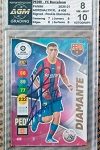 CARD: Nº K11213 · PEDRI [8 NM-MINT · 10 AUTOGRAPH] · FC BARCELONA · ADRENALYN XL 2020-21 #408 · SPANISH
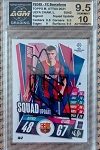 CARD: Nº K11387 · PEDRI [9.5 GEM MINT 10 AUTOGRAPH] · 2022 · TOPPS UCL · #SU42 · FC BARCELONA · ENGLISH
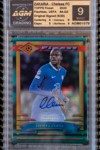 CARD: Nº AGM01579 – ZAKARIA (CHELSEA FC) – [10 PRISTINE] – TOPSS FINEST 2023 – ORIGINAL SIGNED (…
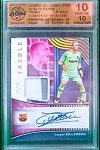 CARD: Nº K11338 · JASPER CILLESEN [10 PRISTINE · AUTOGRAPH] · 2018-19 · TREBLE (EE.UU) 11/25 · FC BARCELONA
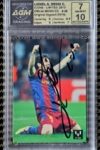 CARD: Nº AGM1331 · LEO MESSI · ICONS LIMITED [10 AUTO · 7 NM-MINT] · 2013 · ORIGINAL SIGNED · #28 · ENGLISH
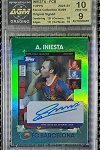 CARD: Nº AGM1520 · ANDRÉS INIESTA · FC BARCELONA · [10 MINT + 9 ORIGINAL SIGNED] · 2023-24 TOPPS FOCUS COLLECTION (#83 d…
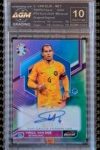 CARD: Nº AGM01583 – V. VAN DIJK (NET) – [10 PRISTINE] – TOPPS FINEST 2023 – RTU EURO 2024 –…
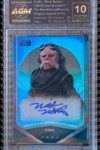 CARD: Nº AGM01578 – KUIIL (Nick Nolte) – TOP STAR WARS 2021 – [10 PRISTINE] – THE MANDALORIAN &#…
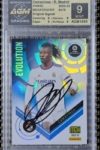 CARD: Nº AGM1534 · CAMAVINGA · REAL MADRID · [9 MINT + 9 ORIGINAL SIGNED] · 2022-23 MEGACRACKS EVOLUTION (#376) · SPANIS…
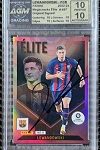 CARD: Nº AGM1320 · R. LEWANDOWSKI · FC BARCELONA [10 PRISTINE / 10 ORIGINAL SIGNED] · MEGACRACKS ÉLITE 2022-23 · #497 · …
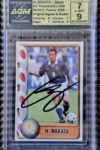 CARD: Nº AGM1425 · H. NAKATA · JAPAN [7 N. MINT / 9 ORIGINAL SIGNED] · ED. PANASTICKERS · WORLD CUP FRANCE 1998 · #355 ·…
