Elija su idioma


Categorías
Cards TCG – Juegos
 CARD: Nº AGM1841 · MEGA CHARIZARD EX · POKÉMON · 2026 · BLACK STAR PROMO · [10 PRISTINE] · 029 · PROMO – SPANISH
 CARD: Nº AGM1847 · MEOWTH · POKÉMON · 2025 · PHANTASMAL FLAMES · [9 MINT] · 105/094 · ILLUSTRATION RARE – SPANISH
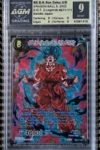 CARD: Nº AGM1315 · DRAGON BALL S. · BS KK SON GOKU U/D [10 PRISTINE] · 2022 · D-O-T- Z-LEGENDS · #BT1-111 · JAPANESE
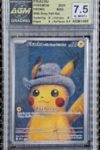 CARD: Nº AGM1469 · PIKACHU · [7.5 N. MINT+] · POKEMON PROMO 2023 #085 · WITH GREY FELT HAT · ENGLISH
 CARD: Nº AGM1644 – POKÉMON – ROCKET’S CROBAT EX – 2025 – THE GLORY OF TEAM ROCKET – …
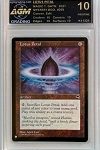 CARD: Nº K11328 · LOTUS PETAL [10 PRISTINE] · 2021 · MAGIC THE GATHERING · ENGLISH
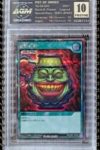 CARD: Nº AGM1334 · YU-GI-OH! · POT OF GREED [10 PRISTINE] · 2021 · RUSH DUEL PROMO · #JP003 · JAPANESE
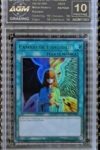 CARD: Nº AGM1383 · YU-GI-OH! · CAMBIO DE FIDELIDAD [10 PRISTINE] · 2023 · METAL RIDERS · #SP060 · SPANISH
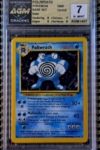 CARD: Nº AGM1407 · POLIWRATH · POKEMON [7 N. MINT] · 1999 BASE SET · 13/102 · ITALIAN
 CARD: Nº AGM1667 – POKÉMON – SERPERIOR EX – [10 PRISTINE] – 2025 – BLACK BOLT – DOUB…
 CARD: Nº AGM1713 · LT. SURGE’S BARGAIN · [10 PRISTINE] · 2025 POKEMON MEGA EVOLUTION #185/132 · SPECIAL ILLUSTRATI…
 CARD: Nº AGM1662 – POKÉMON – SHUCKLE – [8.5 NM MINT+] – 2025 – MEGA SYMPHONIA – ILLU…
Vintage Cards
 CARD: Nº AGM1794 · JOSEITO · REAL MADRID · 1953-54 · BRUGUERA #152 · ASES FÚTBOL · TURMO CARAMELOS PECTORALES · [6 EXC N…
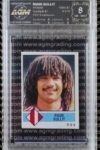 CARD: Nº K11239 · RUUD GULLIT (PSV EINDHOVEN) [8 NM-MINT] · VOETBAL 87 1986-87 #218 · DUTCH
 CARD: Nº AGM1787 · ESCUDO · REAL MADRID · 1953-54 · BRUGUERA #145 · ASES FÚTBOL · TURMO CARAMELOS PECTORALES · [6 EXC NM…
 CARD: Nº AGM1892 · MUJICA · ATLETICO DE MADRID · 1953-54 · BRUGUERA #19 · ASES FÚTBOL · TURMO CARAMELOS PECTORALES · [6 …
 CARD: Nº AGM1896 · COQUE · ATLETICO DE MADRID · 1953-54 · BRUGUERA #23 · ASES FÚTBOL · TURMO CARAMELOS PECTORALES · [6 E…
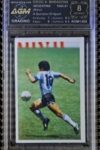 CARD: Nº AGM1488 · DIEGO A. MARADONA · [8 NM MINT] · A QUESTION OF SPORT · 1986-87 · ARGENTINA · RARE · ENGLISH
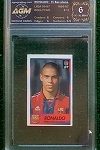 CARD: Nº K11163 · RONALDO NAZARIO [6 EX N-MINT] · BOLLYCAO LIGA 96-97 #11 · FC BARCELONA · SPANISH
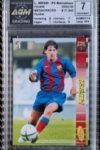 CARD: Nº AGM0114 · LEO MESSI · FC BARCELONA [7 NEAR-MINT] · ROOKIE · MEGACRACKS 2004-05 · #71 BIS · SPANISH
 CARD: Nº AGM1636 – SONIC THE HEDGEHOG – 1993 – TOPPS SEGA #5 [9 MINT] – ENGLISH
 CARD: Nº AGM1851 · BIOSCA · FC BARCELONA · 1953-54 · BRUGUERA #52 · ASES FÚTBOL · TURMO CARAMELOS PECTORALES · [6 EXC NM…
 CARD: Nº AGM1803 · LEO MESSI · FC BARCELONA · MEGACRACKS 2005-06 #71 BIS · [5 EXCELLENT] · SPANISH
 CARD: Nº AGM1790 · OLIVA · REAL MADRID · 1953-54 · BRUGUERA #148 · ASES FÚTBOL · TURMO CARAMELOS PECTORALES · [6.5 EXC N…

Ancient Roots
Dice carved from knucklebones, stakes whispered beneath temple columns—gambling is as old as barter. Look: the Old Kingdom Egyptians etched board games on papyrus, turning leisure into a calculated risk. And here is why the Greeks loved kottabos, a wine‑splattering contest that was basically a drinking‑game roulette. Babylonian tablets record wagers on the outcome of royal hunts, proving that even kings needed a thrill beyond conquest.
Silk Road and the Rise of Chance
Fast forward to the Silk Road, where merchants swapped silk for dice made of bone, ivory, even metal. By the time the Romans built their coliseums, betting on gladiator bouts became the empire’s unofficial pastime. Look, the Romans even taxed the gambling houses—yes, the state loved the cash flow. Meanwhile, in China, the Song dynasty birthed a paper‑based lottery that funded the Great Wall; that’s not a myth, that’s fiscal ingenuity.
Medieval Mischief
Knights rode home from crusades with a bag of cards, a deck that would later evolve into the modern pack. The Middle Ages saw tavern games like Hazard, a precursor to craps, where peasants risked grain against dice. And here’s the deal: the Catholic Church tried to ban gambling, but the underground tables kept humming, proving that restriction only fuels demand.
Renaissance to the Roaring Twenties
When the printing press churned out gambling manuals, probability theory took its first steps. The French mathematician Pascal, sipping wine in a casino, laid down the foundations of modern odds. By the 1700s, French aristocrats turned salons into high‑stakes parlors, playing faro under chandeliers. The United States caught the fever in the 19th century; riverboat steamers turned decks into floating casinos, and after the Civil War, Chicago’s gambling dens sprouted like weeds. And the Roaring Twenties? They turned gambling into an art form—speakeasies, slot machines, and the infamous “gambling den” in every Broadway district.
Gambling Goes Global
Post‑World War II, the Atlantic coast saw the birth of the modern casino: Monte Carlo’s glittering halls, Las Vegas’s neon‑blazing strip, Macau’s sprawling resorts. Look: technology entered the arena with the first electronic slot in 1963, and by the 1990s, online platforms emerged, turning living rooms into virtual casinos. Today, the industry is a multi‑billion‑dollar juggernaut, with live‑dealer streams, mobile apps, and AI‑driven odds reshaping the game.
Modern Casinos and the Digital Age
Enter the era of data‑driven gambling. Casinos now track player behavior with RFID chips, customizing incentives in real time. And the line blurs further: virtual reality tables let you sit at a blackjack table in a Dubai high‑rise while sipping a coffee at home. Meanwhile, regulated markets in Europe and the UK—like betticasinoplayuk.com—offer transparent, secure environments for both novices and high‑rollers.
Actionable Insight
Stop overthinking the legends; pick a reputable online casino, set a strict bankroll, and test a single game you’ve never tried before. That’s the first step toward mastering the modern gamble.
Mi Cuenta




Le recomendamos

¿Cards con Errores?

Cards Deportes
 CARD: Nº AGM1531 · TAKEFUSA KUBO · REAL SOCIEDAD · [9 MINT] · SCORE LA LIGA S. · 2022 · #160 · SPANISH
 CARD: Nº K11286 · MESSI [10 PRISTINE] · FCB · PANINI · TOPPS 30 SEASONS UCL 2022 #090 · ENGLISH
 CARD: Nº AGM1798 · LAMINE YAMAL · FC BARCELONA · 2023-24 · MEGACRACKS #108 BIS · ROOKIE · [10 PRISTINE] · SPANISH
 CARD: Nº AGM1505 · CRISTIANO RONALDO · REAL MADRID · [10 PRISTINE] · MEMORY BALÓN DE ORO · ADRENALYN XL · 2023-24 · SPAN…
 CARD: Nº AGM01585 – MOUHAMED GUEYE – [10 PRISTINE] – NBA HOOPS 2023-24 – STOCK PREMIUM #27 ̵…
 CARD: Nº AGM1822 · VINICIUS · REAL MADRID · LIGA ESTE 2022-23 · ADN LA LIGA #26 · [9 MINT] · SPANISH
 CARD: Nº AGM1912 · LAMINE YAMAL · ESPAÑA · FIFA WORLD CUP 2026 · ESP15 · [9 MINT] · SPANISH
 CARD: Nº AGM1570 · JALEN BRUNSON · NEW YORK KNICKS · [10 PRISTINE] · P. COURT KING · 2022-23 #61 · 101 OF 149 · ENGLISH
 CARD: Nº AGM1622 – LAMINE YAMAL – FCB – TOPPS UEFA C. C. 2023-24 – [9 MINT] – #64 (ROOKIE)…
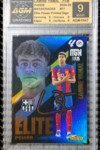 CARD: Nº AGM1547 · LAMINE YAMAL · ÉLITE POWER FCB · [9 MINT] · MEGACRACKS · 2024-25 #P7 · SPANISH
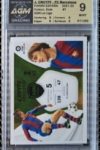 CARD: Nº K11262 · JOHANN CRUYFF [9 MINT] · ADN LA LIGA · C. ESTE 2021-22 #7 · SPANISH
Cards Autógrafos
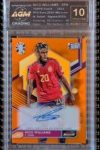 CARD: Nº AGM01581 – NICO WILLIAMS (SPAIN) – [10 PRISTINE] – TOPPS FINEST RTU EURO 2024 – NATIONA…
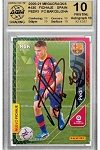 CARD: Nº K11349 · PEDRI [10 PRISTINE · 10 AUTOGRAPH] · 2020-21 · MGK · #430 (ROOKIE) · FC BARCELONA · SPANISH
 CARD: Nº AGM1703 · FERMÍN LÓPEZ · FC BARCELONA · [10 PRISTINE · 10 AUTOGRAPH] · TOPPS CHROME 2023-24 · #CA-FL · ORIGINAL…
 CARD: Nº AGM1389 · MARIO HERMOSO · ATL. MADRID [9 G. MINT – 10 ORIGINAL SIGNED] · TOPPS · 2021-22 · ENGLISH
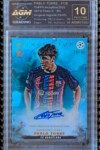 CARD: Nº AGM01582 – PABLO TORRE (FCB) – [10 PRISTINE] – TOPPS INCEPTION 2023 – UEFA CLUBS ROOKIE…
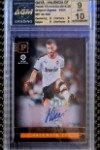 CARD: Nº AGM1568 · GAYÀ · VALENCIA CF · [9 MINT · 10 AUTOGRAPH] · PANINI CHRONICLES 2019-20 · 051 OF 300 · ORIGINAL SIGN…
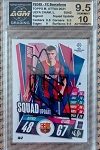 CARD: Nº K11387 · PEDRI [9.5 GEM MINT 10 AUTOGRAPH] · 2022 · TOPPS UCL · #SU42 · FC BARCELONA · ENGLISH
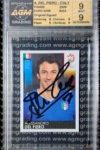 CARD: Nº AGM1543 · ALEXANDRO DEL PIERO · ITALIA · [9 MINT + 9 ORIGINAL SIGNED] · EURO 2008 #303 · ORIGINAL SIGNED · INTE…
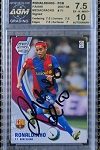 CARD: Nº AGM1204 · RONALDINHO · [10 AUTO – 7.5 EX-NM+] · FCB · MGK 2007-08 # 71 · ORIGINAL SIGNED · SPANISH
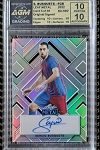 CARD: Nº AGM1321 · SERGIO BUSQUETS · FC BARCELONA [10 PRISTINE · 10 ORIGINAL SIGNED]· LEAF METAL 2022 (5 of 35) #BA-SB2 …
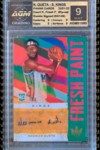 CARD: Nº AGM01580 – N. QUETA (S. KINGS) – [9 MINT] – PANINI CARDS COURT K. 2021-22 ROOKIE – ORIG…
- CARD: Nº K11347 · PEDRI [10 PRISTINE · 10 AUTOGRAPH] · 2020-21 · MGK · #430 (ROOKIE) · FC BARCELONA · SPANISH
