Elija su idioma


Categorías

Cards TCG – Juegos
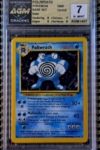 CARD: Nº AGM1407 · POLIWRATH · POKEMON [7 N. MINT] · 1999 BASE SET · 13/102 · ITALIAN
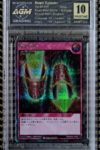 CARD: Nº AGM1314 · YU-GI-OH! · MAGIC CYLINDER [10 PRISTINE] · 2022 · RUSH DUEL DDYV · #JP001 · JAPANESE
 CARD: Nº AGM1665 – POKÉMON – ACELORA’S MISCHIEF – [9 MINT] – 2025 – MEGA SYMPHONIA &…
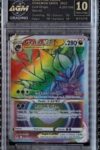 CARD: Nº K11275 · POKEMON SWSH 2021 · GIRATINA VASTRO [10 PRISTINE] · LOST O. · SECRET · #201/196 · SPANISH
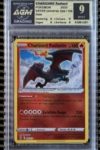 CARD: Nº AGM1281 · POKEMON · CHARIZARD RADIANT [9 MINT] · 2023 · VSTAR UNIVERSE · HOLO· #020/159 · SPANISH
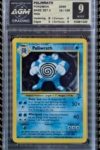 CARD: Nº AGM1225 · POLIWRATH · POKEMON [9 MINT] · BASE SET 2 · 2000 · 15/130 · HOLO · ENGLISH
 CARD: Nº AGM1679 – POKÉMON – BEHEEYEM – [10 PRISTINE] – 2025 – BLACK BOLT – ILLUSTRA…
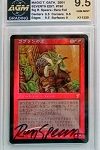 CARD: Nº K11329 · KOBLIN KING [9.5 GEM MINT] · 2001 · MAGIC THE GATHERING · SIGNED R. SPEARS · JAPANESE
 CARD: Nº AGM1646 – POKÉMON – CETITAN EX – 2025 – DESTINED RIVALS – DOUBLE RARE #065/182 &#…
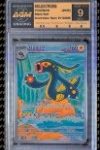 CARD: Nº AGM1673 – POKÉMON – EELEKTROSS – [9 MINT] – 2025 – BLACK BOLT – ILLUSTRATIO…
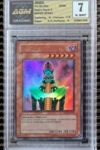 CARD: Nº AGM1335 · YU-GI-OH! · JINZO [7 N. MINT] · 2009 · RETRO PACK 2 · #JSP001 · SPANISH
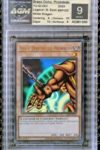 CARD: Nº AGM1380 · YU-GI-OH! · BRAZO DCHO. PROHIBIDO [9 MINT] · 2023 · LEGEND B. EYES · #SP122 · SPANISH
Vintage Cards
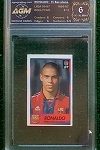 CARD: Nº K11163 · RONALDO NAZARIO [6 EX N-MINT] · BOLLYCAO LIGA 96-97 #11 · FC BARCELONA · SPANISH
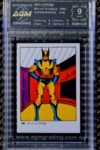 CARD: Nº AGM1439 · WOLVERINE [9 MINT] · MARVEL TERRABUSI · 1980 · SUPERHEROES · SPANISH
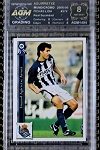 CARD: Nº AGM1494 · AGUIRRETXE · REAL SOCIEDAD · [8 NM MINT] · 2005-06 · #374 · SPANISH
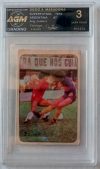 CARD: Nº K11373 · DIEGO A. MARADONA [3 VG] · SUPERFUTBOL 1979 #7 · ARGENTINOS JRS. · SPANISH
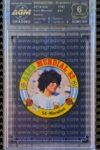 CARD: Nº AGM1399 · MARADONA · ARGENTINA [6 EXC. MINT] · ASES MUNDIAL 1982 · #54 (ROOKIE) · REYAUCA
 CARD: Nº AGM1806 · LEO MESSI · FC BARCELONA · MEGACRACKS 2005-06 #71 BIS · [6 EXC. NM] · SPANISH
 CARD: Nº AGM1851 · BIOSCA · FC BARCELONA · 1953-54 · BRUGUERA #52 · ASES FÚTBOL · TURMO CARAMELOS PECTORALES · [6 EXC NM…
 CARD: Nº AGM1895 · ESCUDERO · ATLETICO DE MADRID · 1953-54 · BRUGUERA #22 · ASES FÚTBOL · TURMO CARAMELOS PECTORALES · […
 CARD: Nº AGM1888 · TINTE · ATLETICO DE MADRID · 1953-54 · BRUGUERA #15 · ASES FÚTBOL · TURMO CARAMELOS PECTORALES · [6 E…
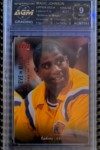 CARD: Nº AGM1561 · MAGIC JOHNSON · LAKERS F.K. · [9 MINT] · UPPER DECK · #237 · 1995-96 · INTERNATIONAL
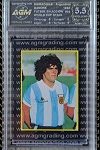 CARD: Nº AGM1329 · DIEGO A. MARADONA [5.5 EXCELLENT+] · 1982 #94 · MUNDIAL ESPAÑA · FÚTBOL EN ACCION DANONE · SPANISH
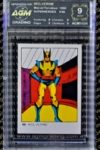 CARD: Nº AGM1434 · WOLVERINE [9 MINT] · MARVEL TERRABUSI · 1980 · SUPERHEROES · SPANISH

Identify the Core Problem
Most bettors chase thrills, not consistency. They wager on impulse, forget to track outcomes, and end up with a bankroll that resembles a sieve. The real issue isn’t the odds; it’s the absence of a repeatable process. Look: without a routine, you’re a sailor without a compass, drifting in a storm of random picks.
Set a Fixed Betting Window
Pick a daily or weekly slot and stick to it like a metronome. Whether it’s the 8 p.m. post‑race roundup or a Saturday afternoon sprint, lock the time. Short windows cut fatigue, sharpen focus, and force you to vet each wager rather than scatter your attention. And here is why: the brain works in cycles; you’ll catch the peak cognitive window and avoid the post‑lunch slump.
Define Stake Size with Rigor
Don’t let ego dictate bet size. Use a flat‑percentage rule: 1‑2 % of your total bankroll per wager. If you have $2,000, that’s $20‑$40 max each race. This math keeps you in the game after a losing streak and lets compounding work its magic. A single, reckless $200 bet can wipe you out faster than a horse breaking a leg.
Build a Data‑Driven Checklist
Every time you sit down, run through the same criteria: track form, jockey stats, surface preference, odds movement, and weather impact. Keep it under five items, otherwise you’ll stall. A concise checklist turns chaos into a rhythm, just like a drummer keeping time for a band.
Record Every Outcome
Log wins, losses, stake, and rationale. Spreadsheets, note‑taking apps, even a simple notebook work. The act of writing solidifies learning; you’ll spot patterns faster than a hawk over a field. When you see that you lose 70 % of bets on a particular trainer, you’ll adjust before the next race.
Embrace the “No‑Bet” Days
Consistency isn’t about wagering every race; it’s about following the same rules, even when they say “skip.” If the checklist flags too many red lights, walk away. A disciplined “no‑bet” day protects the bankroll and reinforces the habit of critical thinking. It’s the mental equivalent of a weight‑lifting rest day.
Psychology Buffer
Prepare a mental script for losing streaks. Say to yourself, “I’m following the system; the variance will even out.” This mantra prevents tilt, the gambler’s version of a panic attack. By controlling emotions, you keep the routine intact, not spiraling into reckless chase.
Integrate Technology Without Becoming a Slave
Use betting platforms for live odds, but don’t let push notifications dictate your moves. Set alerts for specific conditions—say, a 5‑point drop in odds for a favorite—but still run the checklist before clicking. This balance keeps you in the driver’s seat, not the autopilot mode.
Final Piece of Actionable Advice
Pick a 30‑minute slot tomorrow, apply the five‑point checklist, stake 1 % of your bankroll, and log the result—then repeat without deviation.
Mi Cuenta




Le recomendamos

¿Cards con Errores?

Cards Deportes
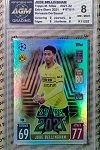 CARD: Nº K11222 · JUDE BELLINGHAM [8 NM – MINT ] · B. DORTMUND · 2021-22 · TOPPS M. ATTAX · #STA11 · ENGLISH
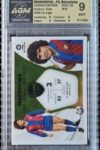 CARD: Nº K11264 · MARADONA [9 MINT] · ADN LA LIGA · C. ESTE 2021-22 #19 · SPANISH
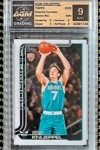 CARD: Nº AGM1744 · KON KNUEPPEL · TOPPS 2025 · C. HORNETS #204 ROOKIE (RC) · [9 MINT] · ENGLISH
 CARD: Nº AGM1730 · COOPER FLAGG · D. MAVERICKS · CLUTCH CITY 2025 #CC-1 · ROOKIE (RC) · [9 MINT] · ENGLISH
 CARD: Nº AGM1766 · STEPHEN CURRY · 2025-26 TOPPS FLAGSHIP W. WARRIORS #135 · CARD 0912/2025 · [9 MINT] · ENGLISH
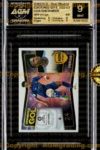 CARD: Nº AGM1822 · VINICIUS · REAL MADRID · LIGA ESTE 2022-23 · ADN LA LIGA #26 · [9 MINT] · SPANISH
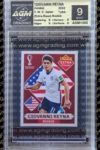 CARD: Nº AGM1365 · GIOVANNI REYNA [9 MINT] · ROOKIE EXTRA BASE · 2022 FIFA WORLD CUP QATAR · EE.UU · ENGLISH
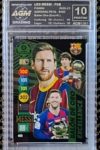 CARD: Nº AGM1361 · LEO MESSI · FCB · [10 PRISTINE] · MGK · 2020-21 · B. ORO EXCELL. #469 · SPANISH
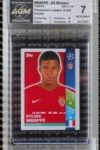 CARD: Nº K11237 · K. MBAPPÉ (AS MONACO) [7 NEAR MINT] · UEFA C. LEAGUE 2017-18 #248 · ROOKIE · ENGLISH
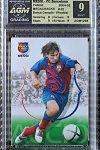 CARD: Nº AGM1298 · LEO MESSI · [9 MINT] · FC BARCELONA · ROOKIE · MEGACRACKS BARÇA CAMPIÓ 2004-05 #62 · CATALÀ
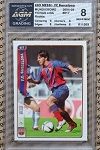 CARD: Nº K11203 · LEO MESSI · [8 NM · MINT] · FC BARCELONA · F. LIGA MUNDICROMO 2004-05 · # 617 (ROOKIE) · SPANISH
Cards Autógrafos
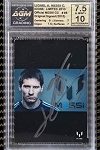 CARD: Nº AGM1330 · LEO MESSI · [7.5 NEAR MINT+ 9 ORIGINAL SIGNED] · 2013 #95 · OFFICIAL MESSI CARD COLLECTION LIMITED · …
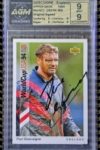 CARD: Nº AGM1424 · PAUL CASGOIGNE · ENGLAND [9 MINT / 9 ORIGINAL SIGNED] · UPPER DECK WORLD CUP USA ’94 · #56 · EN…
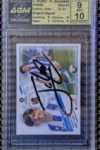 CARD: Nº AGM1426 · TAKEFUSA KUBO · REAL SOCIEDAD [9 MINT / 10 ORIGINAL SIGNED] · COLECCIONES ESTE 2022-23 · #UF 21 · SPA…
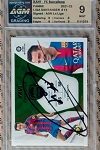 CARD: Nº K11219 · XAVI [9 MINT · 9 AUTOGRAPH] · FC BARCELONA · LIGA SANTANDER 2021-22 · #13 · SPANISH
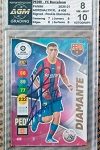 CARD: Nº K11213 · PEDRI [8 NM-MINT · 10 AUTOGRAPH] · FC BARCELONA · ADRENALYN XL 2020-21 #408 · SPANISH
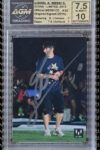 CARD: Nº AGM1333 · LEO MESSI · ICONS LIMITED [10 AUTO · 7.5 N. MINT+] · 2013 · ORIGINAL SIGNED · #52 · ENGLISH
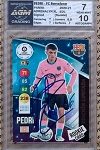 CARD: Nº K11200 · PEDRI · [7 NEAR MINT · 10 AUTOG.] · SIGNED · FC BARCELONA · ADRENALYN XL 2020-21 # EDL · SPANISH
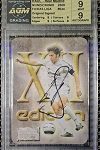 CARD: Nº AGM1490 · RAÚL GONZALEZ · REAL MADRID · [9 MINT + 9 ORIGINAL SIGNED] · 2006 · MUNDICROMO · FICHAS LIGA #634 · S…
- CARD: Nº AGM1885 · NACHO · REAL MADRID · FUTERA 2024 · UNIQUE AUTOGRAPH · #FXUN17 · [10 PRISTINE · 10 AUTOGRAPH] · ENGLI…
- CARD: Nº AGM1884 · LUIS FIGO · REAL MADRID · PANINI SELECT 2024-25 · PICHSIDE SIGNATURES · #PS-LF · [10 PRISTINE · 10 AU…
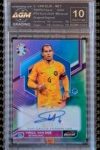 CARD: Nº AGM01583 – V. VAN DIJK (NET) – [10 PRISTINE] – TOPPS FINEST 2023 – RTU EURO 2024 –…
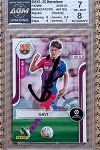 CARD: Nº K11188 · GAVI · [7 NM · 8 AUTOGRAPH] · FC BARCELONA · MGK 2021-22 · #67 BIS (ROOKIE) · SPANISH
