Elija su idioma


Categorías

Cards TCG – Juegos
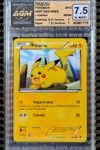 CARD: Nº AGM1716 · PIKACHU · [7.5 N. MINT+] · 2012 POKEMON NEXT DESTINIES #39/99 · COMMON · SPANISH
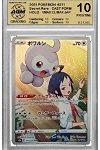 CARD: Nº K11345 · 2021 POKEMON · CAST FORM [10 PRISTINE] · HOLO V. MAX CLIMAX · #211 · JAPANESE
 CARD: Nº AGM1671 – POKÉMON – SIMIPOUR – [9 MINT] – 2025 – BLACK BOLT – ILLUSTRATION …
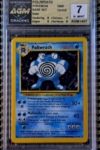 CARD: Nº AGM1407 · POLIWRATH · POKEMON [7 N. MINT] · 1999 BASE SET · 13/102 · ITALIAN
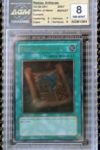 CARD: Nº AGM1384 · YU-GI-OH! · REGLAS ANTIGUAS [8 NM-MINT] · 2007 · STRIKE OF NEOS · #SP037 · SPANISH
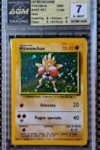 CARD: Nº AGM1408 · HITMONCHAN · POKEMON [7 N. MINT] · 1999 BASE SET · 7/102 · ITALIAN
 CARD: Nº AGM1709 · WEEZING (T. ROCKET) · [10 PRISTINE] · 2025 POKEMON DESTINED RIVALS #199/182 · RARE ART HOLO · SPANISH
 CARD: Nº AGM1664 – POKÉMON – STUFFUL – [9 MINT] – 2025 – MEGA SYMPHONIA – ILLUSTRATI…
 CARD: Nº AGM1714 · ARTICUNO · [10 PRISTINE] · 2025 POKEMON BATTLE PARTNERS #102/100 · ILLUSTRATION RARE · JAPANESE
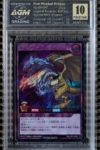 CARD: Nº AGM1313 · YU-GI-OH! · FIVE HEADED DRAGON [10 PRISTINE] · 2023 · LEGEND AWAKEN · #JP001 · JAPANESE
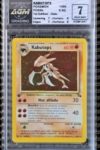 CARD: Nº AGM1247 · KABUTOPS · POKEMON [7 NEAR MINT] · FOSSIL · 1999 1ST EDITION · 9/62 · HOLO · SPANISH
 CARD: Nº AGM1540 · CHARIZARD · [9 MINT] · POKEMON CELEBRATIONS 2021 #4/102 · ULTRA PREMIUM COLLECTION · ENGLISH
Vintage Cards
 CARD: Nº AGM1460 · KING PICCOLO · DRAGON BALL [8 NM·MINT] · 1988 CARDDASS HONDAN PART 1 #3 · BANDAI · JAPANESE
 CARD: Nº AGM1456 · GIOVANN’S MEOWTH · POKEMON [9 MINT] · 2000 GYM CHALLENGE · 1st EDITION · 74/132 · ENGLISH
 CARD: Nº AGM1436 · WOLVERINE [9 MINT] · MARVEL TERRABUSI · 1980 · SUPERHEROES · SPANISH
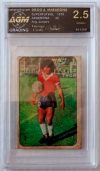 CARD: Nº K11369 · DIEGO A. MARADONA [2.5 GOOD+] · SUPERFUTBOL 1979 #2 · ARGENTINOS JRS. · SPANISH
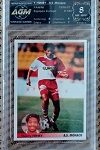 CARD: Nº K11217 · THIERRY HENRY [8 NM – MINT] · PANINI 1996-97 #1852 (EQUIPOS EUROPA) · A- S. MONACO · SPANISH
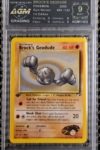 CARD: Nº AGM1455 · BROCK’S GEODUDE · POKEMON [9 MINT] · 2000 GYM HEROES · 1st EDITION · 66/132 · ENGLISH
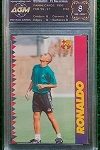 CARD: Nº K11165 · RONALDO NAZARIO [8 NM – MINT] · PANINI CARDS 1996 #92 · FC BARCELONA · SPANISH
 CARD: Nº AGM1857 · KUBALA · FC BARCELONA · 1953-54 · BRUGUERA #58 · ASES FÚTBOL · TURMO CARAMELOS PECTORALES · [6 EXC NM…
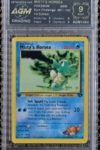 CARD: Nº AGM1454 · MYSTY’S HORSEA · POKEMON [9 MINT] · 2000 GYM CHALLENGE · 1st EDITION · 87/132 · ENGLISH
 CARD: Nº AGM1637 – PIKACHU – 1995 – TOPPS CHROME POKÉMON #25 [10 PRISTINE] – ENGLISH
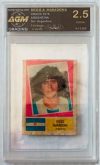 CARD: Nº K11365 · DIEGO A. MARADONA [2.5 GOOD+] · CRACK 1978 · SELECCIÓN ARGENTINA · SPANISH
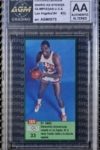 CARD: Nº AGM0273 · PATRICK EWING · U.S.A. · STICKER DIARIO AS [AA] #33 · LOS ANGELES’84 · SPANISH

The GamStop trap: What nobody’s talking about
Here’s the deal: GamStop was meant to protect problem gamblers. Noble intention. But what’s actually happened? Thousands of UK players feel trapped by a system that’s all-or-nothing, with zero flexibility for those who want to gamble responsibly without the blanket ban. The self-exclusion scheme locks you out for six months minimum. Some people? They just want a break, not a permanent exit.
The frustration builds. Pressure mounts. And suddenly, non-GamStop sites start looking attractive—not because players are reckless, but because the official route feels suffocating.
Why the regulated market isn’t cutting it
GamStop operates across the big names. Every licensed operator in the UK respects the scheme. Good governance, sure. But for players seeking alternative experiences—different game libraries, unique betting structures, international platforms with features unavailable domestically—the doors slam shut immediately.
It’s black and white. No nuance.
Players aren’t stupid. They know the UKGC regulates UK-licensed sites for a reason. But they also recognise that GamStop creates an artificial scarcity. When you’re excluded, where do you turn? The answer, increasingly, is offshore operators who don’t participate in the self-exclusion scheme.
The psychological angle: Control versus punishment
Self-exclusion should feel empowering. Instead, many describe it as punitive. You’re permanently marked in a database. No comeback. No flexibility. What if your circumstances change? What if you took a breather and genuinely recovered?
Non-GamStop sites, by contrast, present themselves as judgment-free zones. You set your own limits. You decide your own terms. Whether that’s genuinely safer is another question entirely—but psychologically? The autonomy appeals.
The competitive landscape shifts
Offshore operators are sharpening their offering. Better odds. Faster withdrawals. Cryptocurrency options. Live dealer games with European dealers. These aren’t corners of the internet anymore; they’re slick, professional platforms competing directly for UK player attention.
The licensed UK market responds with corporate caution. Tight margins. Regulatory compliance that, whilst protective, limits innovation. GamStop itself becomes a marketing disadvantage for some operators when they’re trying to attract international-minded players who want choice.
Information spreads fast in the betting community
Social media, betting forums, Discord channels—word travels instantly. Players share experiences. They compare features. They ask tough questions about why UK-regulated sites feel restrictive whilst non-GamStop alternatives feel liberating. Peer influence is massive here.
What actually drives the migration
It’s not one thing. It’s frustration plus accessibility plus curiosity plus perceived unfairness of the GamStop model itself. Young players especially resent being boxed in by a system that treats them like children.
For anyone considering this route, understand what you’re walking into. Unregulated doesn’t mean unlawful in your jurisdiction—but it absolutely means reduced consumer protection. nogamstopgames.com exists precisely because this demand exists. The question isn’t whether these sites will disappear. The question is whether UK policy will evolve to acknowledge player autonomy without abandoning safeguards entirely.
Mi Cuenta




Le recomendamos

¿Cards con Errores?

Cards Deportes
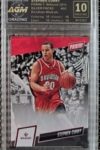 CARD: Nº K11257 · STEPHEN CURRY [10 PRISTINE] · SILVER PACKS · PANINI T. NATIONAL 2019 #SC · ENGLISH
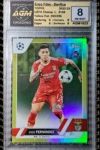 CARD: Nº AGM1623 – ENZO FDEZ. – BENFICA – TOPPS UEFA C. L. 2022-23 – [8 NM – MINT] –…
 CARD: Nº AGM1762 · STEPHEN CURRY · 2025-26 TOPPS MIDNIGHT GS WARRIORS #7 · CARD 11/50 · [10 PRISTINE] · ENGLISH
 CARD: Nº AGM1548 · LEWANDOWSKI · ÉLITE POWER FCB · [9 MINT] · MEGACRACKS · 2024-25 #P8 · SPANISH
 CARD: Nº K11378 · KARIM BENZEMA [7.5 NM+] · WCCF EUROPEAN CLUBS 2005-06 #092 · ROOKIE · O. LYON · JAPANESE
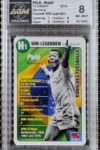 CARD: Nº K11242 · PELE (BRASIL) [8 NM-MINT] · TV DIREKT 2014 F. W. LEGENDEN · GERMAN
 CARD: Nº AGM1732 · KON KNUEPPEL · RISE TO STARDOM 2025-26 #RTS-4 · ROOKIE (RC) · [9 MINT] · ENGLISH
 CARD: Nº AGM1615 – SHAI G – JOSH G – CHET H – PANINI ORIG. BASK. 2022-23 – [9 MINT] –…
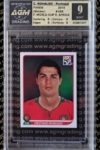 CARD: Nº AGM1347 · C. RONALDO [9 MINT] · STICKER # 559 · 2010 FIFA WORLD CUP SOUTH AFRICA · PORTUGAL · INTERNATIONAL
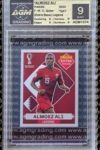 CARD: Nº AGM1374 · ALMOEZ ALI [9 MINT] · LEGEND EXTRA BASE · 2022 FIFA WORLD CUP QATAR · QATAR · ENGLISH
 CARD: Nº AGM1563 · CRISTIANO RONALDO · REAL MADRID · [5 EXCELLENT] · ADRENALYN XL · #263 · 2017-18 · SPANISH
Cards Autógrafos
 CARD: Nº AGMB1386 · HAALAND · BORUSSIA D. [9 MINT – 10 ORIGINAL SIGNED] · TOPPS · 2022 · ENGLISH
 CARD: Nº AGM1770 · JOHNNY FURPHY · 2024 PANINI ORIGINS ROOKIE AUTOGRAPHS #RA-JFP · [9 MINT · 10 AUTOGRAPH] ORIGINAL SIGN…
 CARD: Nº AGM1319 · LEWANDOWSKI · FC BARCELONA [10 PRISTINE · 10 ORIGINAL SIGNED] · PANINI SCORE TEAM 2022-23 #12 · ENGLI…
 CARD: Nº AGM1320 · R. LEWANDOWSKI · FC BARCELONA [10 PRISTINE / 10 ORIGINAL SIGNED] · MEGACRACKS ÉLITE 2022-23 · #497 · …
 CARD: Nº K11347 · PEDRI [10 PRISTINE · 10 AUTOGRAPH] · 2020-21 · MGK · #430 (ROOKIE) · FC BARCELONA · SPANISH
 CARD: Nº K11188 · GAVI · [7 NM · 8 AUTOGRAPH] · FC BARCELONA · MGK 2021-22 · #67 BIS (ROOKIE) · SPANISH
 CARD: Nº K11213 · PEDRI [8 NM-MINT · 10 AUTOGRAPH] · FC BARCELONA · ADRENALYN XL 2020-21 #408 · SPANISH
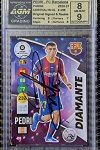 CARD: Nº AGM1428 · PEDRI · FC BARCELONA [8 NM-MINT / 9 ORIGINAL SIGNED] · ADRENALYN XL 2020-21 · #408 (DIA. ROOKIE) · SP…
 CARD: Nº AGM1403 · VINICIUS · REAL MADRID [8.5 NM MINT+ / 9 ORIGINAL SIGNED] · ADRENALYN XL 2022-23 · #216 · SPANISH
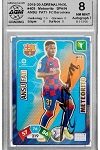 CARD: Nº K11346 · ANSU FATI [8 NM MINT · 7 AUTOGRAPH] · 2019-20 · ADREN. XL · #403 (ROOKIE) · FCB · SPANISH
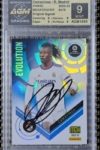 CARD: Nº AGM1534 · CAMAVINGA · REAL MADRID · [9 MINT + 9 ORIGINAL SIGNED] · 2022-23 MEGACRACKS EVOLUTION (#376) · SPANIS…
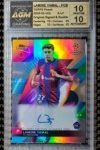 CARD: Nº AGM1610 · LAMINE YAMAL · FC BARCELONA · [10 PRISTINE · 10 AUTOGRAPH] · TOPPS FINEST 2023-24 · #A-LY · ORIGINAL …
