Elija su idioma


Categorías

Cards TCG – Juegos
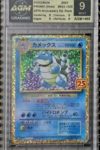 CARD: Nº AGM1465 · BLASTOISE · [9 MINT] · POKEMON PROMO (HOLO) 2021 #003/025 · 25th ANNIVERSARY EDIT. PACK · JAPANESE
 CARD: Nº AGM01577 – TIFA – FINAL FANTASY – [10 PRISTINE] – SQUARE ENIX 2020 – GIFT TIN SET…
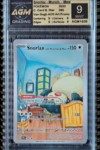 CARD: Nº AGM1639 – SNORLAX – MUNCH. – MEW – 2023 – POKÉMON C. CARD B. STAR #085 – VA…
 CARD: Nº AGM1843 · MEGA GENGAR EX · POKÉMON · 2025 · PHANTASMAL FLAMES · [9 MINT] · 055/094 · DOUBLE RARE – SPANIS…
 CARD: Nº AGM1845 · ROXY’S MORPEKO · POKÉMON · 2025 · BLACK STAR PROMO · [9 MINT] · 205 · PROMO – SPANISH
 CARD: Nº AGM01575 – SERAH – FINAL FANTASY – [10 PRISTINE] – SQUARE ENIX 2022 – SPANISH
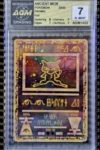 CARD: Nº AGM1422 · ANCIENT MEW · POKEMON [7 N-MINT] · PROMO 2000 · FOIL · ENGLISH
 CARD: Nº AGM1718 · FROSLASS · [9 MINT] · 2024 POKEMON TWILIGHT MASQUERADE #174/167 · ILLUSTRATION RARE · ENGLISH
 CARD: Nº AGM1646 – POKÉMON – CETITAN EX – 2025 – DESTINED RIVALS – DOUBLE RARE #065/182 &#…
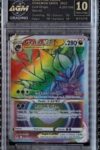 CARD: Nº K11275 · POKEMON SWSH 2021 · GIRATINA VASTRO [10 PRISTINE] · LOST O. · SECRET · #201/196 · SPANISH
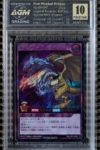 CARD: Nº AGM1313 · YU-GI-OH! · FIVE HEADED DRAGON [10 PRISTINE] · 2023 · LEGEND AWAKEN · #JP001 · JAPANESE
 CARD: Nº AGM1619 – PADMÉ AMIDALA – TOPPS FINEST – STAR WARS 2022 – [9 MINT] – #70 – …
Vintage Cards
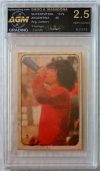 CARD: Nº K11372 · DIEGO A. MARADONA [2.5 GOOD+] · SUPERFUTBOL 1979 #5 · ARGENTINOS JRS. · SPANISH
 CARD: Nº AGM1683 · WOLVERINE [9 MINT] · MARVEL TERRABUSI · 1980 · SUPERHEROES · SPANISH
 CARD: Nº AGM1684 · WOLVERINE [9 MINT] · MARVEL TERRABUSI · 1980 · SUPERHEROES · SPANISH
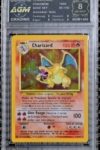 CARD: Nº AGM1466 · CHARIZARD · [8 NM·MINT] · POKEMON BASE SET (UNLIMITED HOLO) 1999 #4/102 · SPANISH
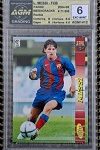 CARD: Nº AGM1412 · LEO MESSI · FC BARCELONA [6 EXC-MINT] · ROOKIE · MEGACRACKS 2004-05 · #71 BIS · SPANISH
 CARD: Nº AGM1423 · ROMARIO (BRASIL) [8 NM-MINT] · FWC ITALIA ’90 · 1990 #208 · INTERNATIONAL
 CARD: Nº K11373 · DIEGO A. MARADONA [3 VG] · SUPERFUTBOL 1979 #7 · ARGENTINOS JRS. · SPANISH
 CARD: Nº AGM1627 – CRISTIANO RONALDO – GALP ENERGIA 2004 – TAZO – [7 – N-MINT] – POR…
 CARD: Nº AGM1350 · WOLVERINE [9 MINT] · MARVEL TERRABUSI · 1980 · SUPERHEROES · SPANISH
 CARD: Nº AGM1685 · WOLVERINE [9 MINT] · MARVEL TERRABUSI · 1980 · SUPERHEROES · SPANISH
 CARD: Nº K11369 · DIEGO A. MARADONA [2.5 GOOD+] · SUPERFUTBOL 1979 #2 · ARGENTINOS JRS. · SPANISH
 CARD: Nº AGM1887 · MENÉNDEZ · ATLETICO DE MADRID · 1953-54 · BRUGUERA #14 · ASES FÚTBOL · TURMO CARAMELOS PECTORALES · […

Understanding the Basics
Look: the spread, the total, the moneyline – they’re not just numbers, they’re a secret language. A 5-point spread isn’t a suggestion, it’s a battlefield line where the underdog must climb or the favorite must survive. The over/under sets a ceiling for points, a thermostat for tempo. Miss this, and you’re walking blind into a crowded arena.
Moneyline Mastery
Here’s the deal: a moneyline of -250 means you bet $250 to win $100. Flip it to +200, and a $100 stake nets $200. It’s pure risk vs. reward, and the odds tell you where the bookmakers think the game will swing. If the underdog’s odds inflate, something’s bubbling under the surface. Spot that, and you’ve got a value play.
Decoding the Spread
Spread action is the heart‑beat of NBA betting. A -3.5 line on the Lakers signals they’re expected to win by at least four points. Bet the spread, and you’re betting on the margin, not just the win. Watch the line move; a shift from -3.5 to -2.5 suggests sharp money is flooding in, potentially foreshadowing a late‑night injury or a rotation tweak.
Over/Under Insights
When the total lands at 219.5, you’re not just guessing a high‑scoring game – you’re assessing pace, defensive efficiency, and even referee tendencies. A team that pushes tempo at 100 possessions per game will tilt the over. Conversely, a defensive slugger like the Celtics can drag the line down. Notice the “juice” – the bookmaker’s commission – and factor it into your profit calculus.
Key Stats That Move Lines
By the way, player minutes, injury reports, and back‑to‑back schedules are line‑shifters. If a star sits out, the spread can swing dramatically. Use a simple spreadsheet to track these variables and you’ll start reading lines like a seasoned scout reading film.
Live Betting: The Real Test
Live markets are a speed‑date with volatility. The moment the ball hits the rim, the line can jump three points in ten seconds. You need nerves of steel and a solid pre‑game analysis to survive. Trust the data you’ve gathered, don’t chase the hype.
Actionable Edge
Stop chasing the line. Instead, anchor your bet on the underlying statistical edge you’ve uncovered. Pick one metric – say, offensive rebounding rate – that consistently predicts outcomes, and let the line guide the size of your wager. That’s the pro move.
Bet the spread when the line drifts under your projected margin, and lock in the over/under when the total betrays the teams’ true pace. One final tip: always size your stake based on confidence, not ego. Grab a $100 bankroll, risk 2% per game, and watch the edge compound. Go place that first value bet now.
Understanding the Basics
Look: the spread, the total, the moneyline – they’re not just numbers, they’re a secret language. A 5-point spread isn’t a suggestion, it’s a battlefield line where the underdog must climb or the favorite must survive. The over/under sets a ceiling for points, a thermostat for tempo. Miss this, and you’re walking blind into a crowded arena.
Moneyline Mastery
Here’s the deal: a moneyline of -250 means you bet $250 to win $100. Flip it to +200, and a $100 stake nets $200. It’s pure risk vs. reward, and the odds tell you where the bookmakers think the game will swing. If the underdog’s odds inflate, something’s bubbling under the surface. Spot that, and you’ve got a value play.
Decoding the Spread
Spread action is the heart‑beat of NBA betting. A -3.5 line on the Lakers signals they’re expected to win by at least four points. Bet the spread, and you’re betting on the margin, not just the win. Watch the line move; a shift from -3.5 to -2.5 suggests sharp money is flooding in, potentially foreshadowing a late‑night injury or a rotation tweak.
Over/Under Insights
When the total lands at 219.5, you’re not just guessing a high‑scoring game – you’re assessing pace, defensive efficiency, and even referee tendencies. A team that pushes tempo at 100 possessions per game will tilt the over. Conversely, a defensive slugger like the Celtics can drag the line down. Notice the “juice” – the bookmaker’s commission – and factor it into your profit calculus.
Key Stats That Move Lines
By the way, player minutes, injury reports, and back‑to‑back schedules are line‑shifters. If a star sits out, the spread can swing dramatically. Use a simple spreadsheet to track these variables and you’ll start reading lines like a seasoned scout reading film.
Live Betting: The Real Test
Live markets are a speed‑date with volatility. The moment the ball hits the rim, the line can jump three points in ten seconds. You need nerves of steel and a solid pre‑game analysis to survive. Trust the data you’ve gathered, don’t chase the hype.
Actionable Edge
Stop chasing the line. Instead, anchor your bet on the underlying statistical edge you’ve uncovered. Pick one metric – say, offensive rebounding rate – that consistently predicts outcomes, and let the line guide the size of your wager. That’s the pro move.
Bet the spread when the line drifts under your projected margin, and lock in the over/under when the total betrays the teams’ true pace. One final tip: always size your stake based on confidence, not ego. Grab a $100 bankroll, risk 2% per game, and watch the edge compound. Go place that first value bet now.
Mi Cuenta




Le recomendamos

¿Cards con Errores?

Cards Deportes
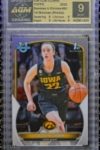 CARD: Nº AGM1430 · CAITIN CLARK · B. U. CHROME [9 MINT] · TOPPS 2022 · #50 · 1ST BOWMAN ROOKIE · ENGLISH
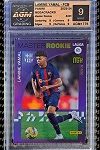 CARD: Nº AGM1774 · LAMINE YAMAL · FC BARCELONA · MASTER ROOKIE · MEGACRACKS 2023-24 · #423 · [9 MINT] SPANISH
 CARD: Nº AGM1773 · LAMINE YAMAL · FC BARCELONA · ROOKIE · MEGACRACKS 2023-24 · #108 BIS · [9 MINT] SPANISH
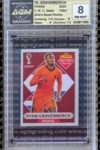 CARD: Nº AGM1366 · RYAN GRAVENBERG [8 NM-MINT] · ROOKIE EXTRA BASE · 2022 FIFA WORLD CUP QATAR · NEDERLANDS · ENGLISH
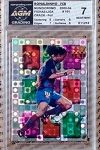 CARD: Nº K11214 · RONALDINHO [7 NEAR MINT ] · FC BARCELONA · MDC FICHAS L. 2003-04 · #161 (FOIL) · SPANISH
 CARD: Nº AGM1754 · COOPER FLAGG · 2025 TOPPS POWER PLAYERS #PP-16 · ROOKIE (RC) D. MAVERICKS · [9 MINT] · ENGLISH
 CARD: Nº AGM1704 – LAMINE YAMAL – 2024 – TOPPS – EURO 2024 – SPAIN #19 – SWISS VERS.…
 CARD: Nº K11237 · K. MBAPPÉ (AS MONACO) [7 NEAR MINT] · UEFA C. LEAGUE 2017-18 #248 · ROOKIE · ENGLISH
 CARD: Nº AGM1343 · LEO MESSI [8 NM. MINT] · MUNDICROMO 2005 · F. LIGA #602+ · FC BARCELONA · SPANISH
 CARD: Nº AGM1726 · LEO MESSI · FC BARCELONA · EDIC. ESTE 2021-22 #8 · I. T. MAS GOLES LIGA (474) · [9 MINT] · SPANISH
 CARD: Nº AGM1471 · ARDA GÜLER · [10 PRISTINE] · ROOKIE FENERBAHÇE S. K. · 2022-23 TOPPS MERLIN #43
Cards Autógrafos
 CARD: Nº AGM1543 · ALEXANDRO DEL PIERO · ITALIA · [9 MINT + 9 ORIGINAL SIGNED] · EURO 2008 #303 · ORIGINAL SIGNED · INTE…
 CARD: Nº K11348 · ANSU FATI [8.5 NM-MINT+ 10 AUTOGRAPH] 2019-20 · LIGA ESTE · #13 BIS (ROOKIE) · FCB · SPANISH
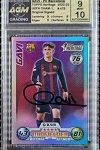 CARD: Nº AGM1237 · GAVI · FC BARCELONA [9 MINT / 10 ORIGINAL SIGNED] · TOPPS HERITAGE UCL 2022-23 · #475 · ENGLISH
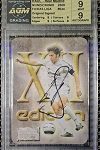 CARD: Nº AGM1490 · RAÚL GONZALEZ · REAL MADRID · [9 MINT + 9 ORIGINAL SIGNED] · 2006 · MUNDICROMO · FICHAS LIGA #634 · S…
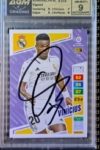 CARD: Nº AGM1403 · VINICIUS · REAL MADRID [8.5 NM MINT+ / 9 ORIGINAL SIGNED] · ADRENALYN XL 2022-23 · #216 · SPANISH
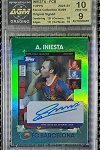 CARD: Nº AGM1520 · ANDRÉS INIESTA · FC BARCELONA · [10 MINT + 9 ORIGINAL SIGNED] · 2023-24 TOPPS FOCUS COLLECTION (#83 d…
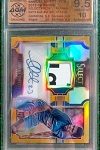 CARD: Nº K11336 · UMTITI [9.5 GEM MINT · 10 AUTOGRAPH] · 2017-18 SELECT PRIZM (EE.UU) · (SIGNED) · FRANCE
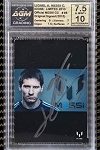 CARD: Nº AGM1330 · LEO MESSI · [7.5 NEAR MINT+ 9 ORIGINAL SIGNED] · 2013 #95 · OFFICIAL MESSI CARD COLLECTION LIMITED · …
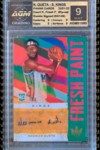 CARD: Nº AGM01580 – N. QUETA (S. KINGS) – [9 MINT] – PANINI CARDS COURT K. 2021-22 ROOKIE – ORIG…
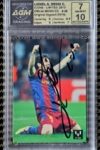 CARD: Nº AGM1331 · LEO MESSI · ICONS LIMITED [10 AUTO · 7 NM-MINT] · 2013 · ORIGINAL SIGNED · #28 · ENGLISH
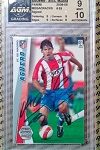 CARD: Nº K11221 · AGÜERO [9 MINT · 10 AUTOGRAPH] · ATLETICO DE MADRID 2008-09 · #53 MEGACRACKS · SPANISH
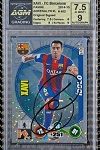 CARD: Nº AGM1414 · XAVI · FC BARCELONA [7.5 N-MINT+ / 9 ORIGINAL SIGNED] · ADRENALYN XL 2014-15 · #402 · SPANISH
